
10mm frosted glass price
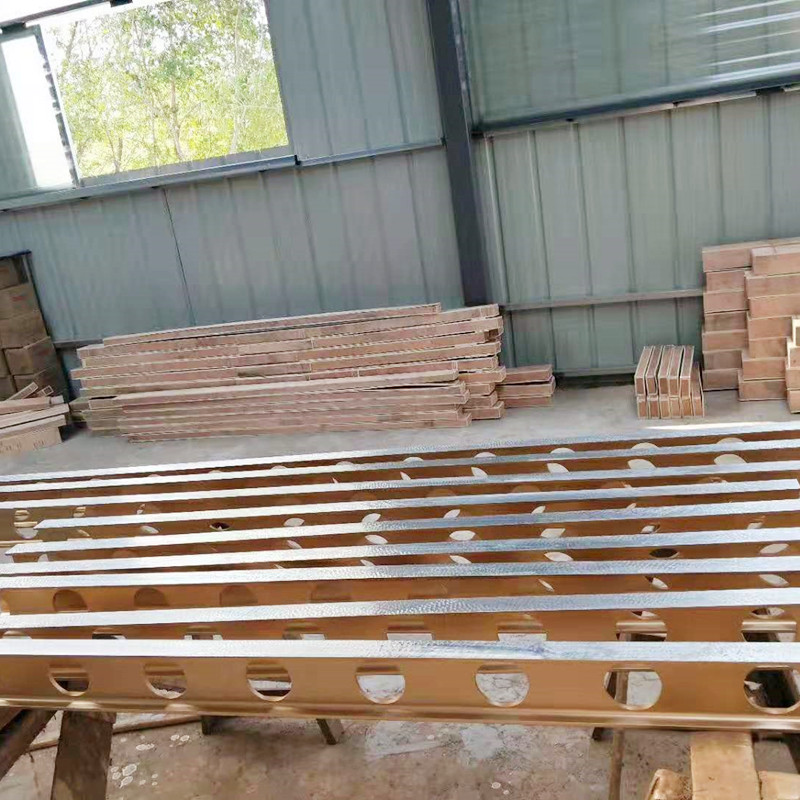
Level Factory Revolutionizing Manufacturing Efficiency In the modern industrial landscape, the quest for efficiency and innovation is paramount. One of the noteworthy concepts that have emerged to address these challenges is the idea of a “Level Factory.” This term encapsulates a streamlined approach to manufacturing that prioritizes balance, adaptability, and sustainability in production processes. Level Factory Revolutionizing Manufacturing Efficiency One of the critical components of a Level Factory is its emphasis on employing lean manufacturing principles. By scrutinizing every step of the production process, manufacturers can identify areas ripe for improvement. This often involves the implementation of just-in-time (JIT) inventory systems, which minimize waste and ensure that materials are available only when needed. Consequently, this strategy reduces excess inventory, minimizes storage costs, and enhances overall productivity. level factory Moreover, technology plays a vital role in the successful establishment of Level Factories. The integration of advanced manufacturing technologies, such as automation, robotics, and the Internet of Things (IoT), allows for real-time monitoring and adjustment of production processes. These technologies not only increase efficiency but also enable manufacturers to respond quickly to changes in market demand. As a result, the Level Factory can swiftly pivot and adjust its operations, ensuring that resources are optimally utilized. Employee engagement is another cornerstone of the Level Factory model. By fostering a culture of continuous improvement, organizations empower their workforce to contribute to process enhancements actively. Training programs and collaborative environments encourage employees to share insights and innovations, leading to a more dynamic and responsive production landscape. When workers feel valued and invested in the improvement processes, they are more likely to take ownership, driving the organization toward greater success. Sustainability cannot be overlooked when discussing Level Factories. As global awareness of environmental issues grows, manufacturers are increasingly adopting eco-friendly practices. Level Factories are designed to minimize waste and energy consumption, contributing to broader sustainability goals. This not only helps companies meet regulatory requirements but also appeals to environmentally conscious consumers, enhancing brand reputation. In conclusion, the Level Factory represents a transformative approach to modern manufacturing. By prioritizing efficiency, leveraging technology, engaging employees, and supporting sustainability, it paves the way for a more responsive and responsible industrial future. As businesses continue to navigate the complexities of the global market, embracing the principles of a Level Factory may very well become a key differentiator in achieving long-term success.
about
10mm frosted glass price
Understanding the 4% Foot Level with a Ruler A Practical Approach to Measurement In today’s fast-paced world, understanding measurement is essential in various fields, whether in construction, science, or daily life. One interesting aspect of measurement that often gets overlooked is the concept of the 4% foot level, especially when it involves the use of basic tools like a ruler. This article explores the significance of the 4% foot level, how to accurately measure it, and its practical applications. What is the 4% Foot Level? Before diving into the measurement process, it is crucial to define what is meant by the 4% foot level. This term generally refers to a specific height or angle that is 4% of an elevation typically measured in feet. In many cases, especially in construction and landscaping, the 4% incline is used as a standard for drainage purposes, ensuring that water flows correctly away from structures, preventing flooding or water accumulation. To break it down further, a 4% grade means that for every 100 horizontal units, there is a vertical rise of 4 units. In the context of a 1-foot rise, a 4% incline would effectively mean that for every 25 feet horizontally, the elevation would increase by 1 foot. This simple ratio is essential for creating safe, effective slopes in various settings. Using a Ruler to Measure the 4% Foot Level To measure a 4% grade accurately using a ruler, follow these steps 1. Set Up Your Tool Begin with a standard ruler or measuring tape. A flexible measuring tape may offer advantages in larger areas, while a solid ruler can be excellent for shorter distances. 2. Mark Your Distance Decide the distance over which you want to measure the incline. For instance, if you are working with a length of 25 feet, mark this distance clearly on the ground. 3. Calculating the Rise Use the formula to calculate the rise based on the percentage you need. For a 4% grade over 25 feet, you would need an elevation change of 1 foot. 4 foot level with ruler 4. Use the Ruler Measure 1 foot vertical height from the marked starting point (0 feet) . This point now represents the 4% incline’s height. 5. Connecting the Points Use a straight edge to connect the starting point (0 feet) to your endpoint along the measured horizontal distance. The slope you have created visually represents your desired 4% grade. Applications of the 4% Foot Level Understanding and applying the 4% foot level has practical implications across multiple fields. 1. Construction In building design, ensuring proper drainage is vital. By implementing a 4% slope in driveways, sidewalks, and roofs, builders can direct rainwater away from structures, thereby minimizing damage and increasing structural integrity. 2. Landscaping Vegetation needs adequate drainage to flourish. By utilizing a 4% slope, landscapers can facilitate better water flow, ensuring that plants receive necessary hydration without risk of waterlogging. 3. Road Design Engineers often rely on specific grades like the 4% foot level to create safe roadways that promote effective runoff during rainstorms, ensuring safety for vehicles on the road. 4. Sports Fields In sports field design, a gentle slope can help maintain appropriate drainage and enhance playing conditions. It’s crucial for preventing puddles and maintaining surface integrity. Conclusion The concept of the 4% foot level is simple yet profoundly impactful across various disciplines. Mastering this measurement technique not only enhances practical skills but also contributes to the safety, functionality, and aesthetics of our environments. Whether you are a DIY enthusiast, a landscaping professional, or a construction worker, understanding and applying the 4% foot level with a ruler can lead to better outcomes in your projects.
-

High quality industrial productsagement

High quality industrial products
View Details -

Meet the diverse needs of customers

Meet the diverse needs of customers
View Details -

Strict quality control

Strict quality control
View Details -

Top raw materials

Top raw materials
View Details -

Trusted supplier

Trusted supplier
View Details
Our application


news and information
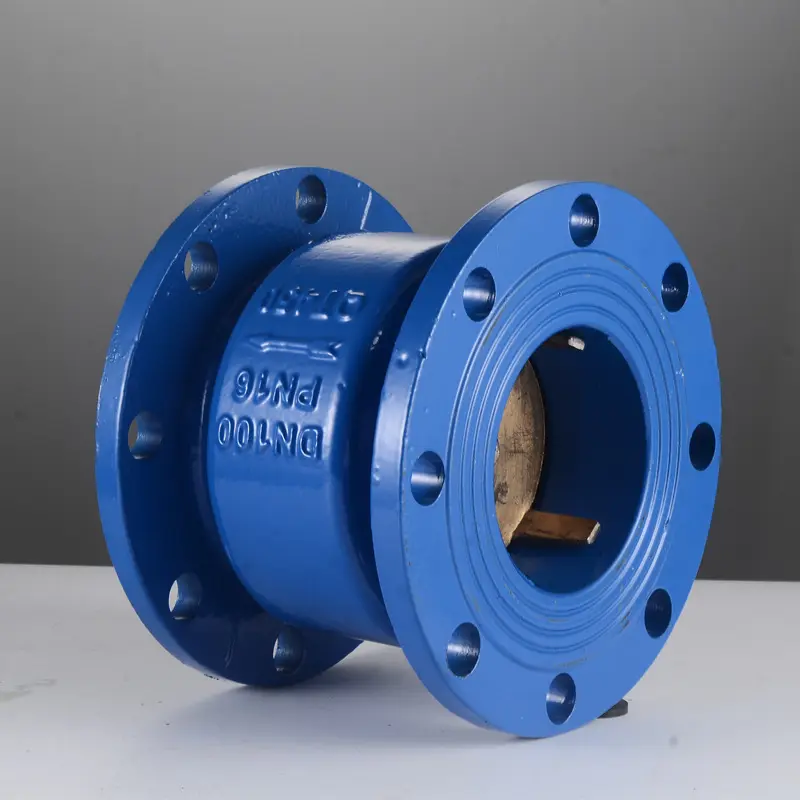
Y Type Strainer Featuring Convenient Drain Valve for Efficient Fluid Filtration
Understanding Y-Type Strainers with Drain Valves In industrial settings, efficient fluid management
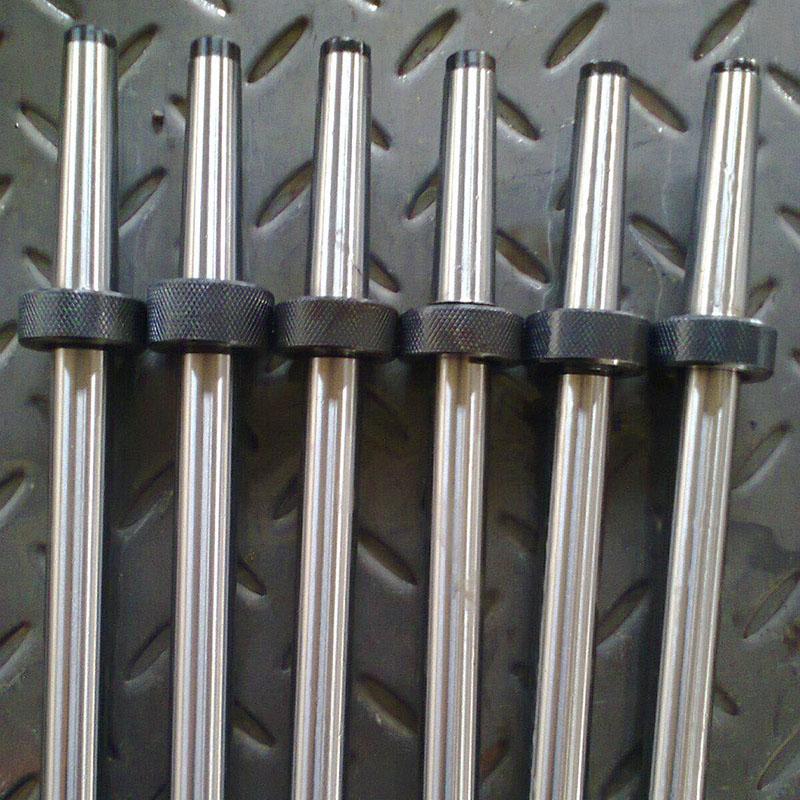
Welding Inspection Tools for Accurate Measurement and Quality Assurance
The Importance of Welding Inspection Rulers in Quality Control Welding is a critical process in vari
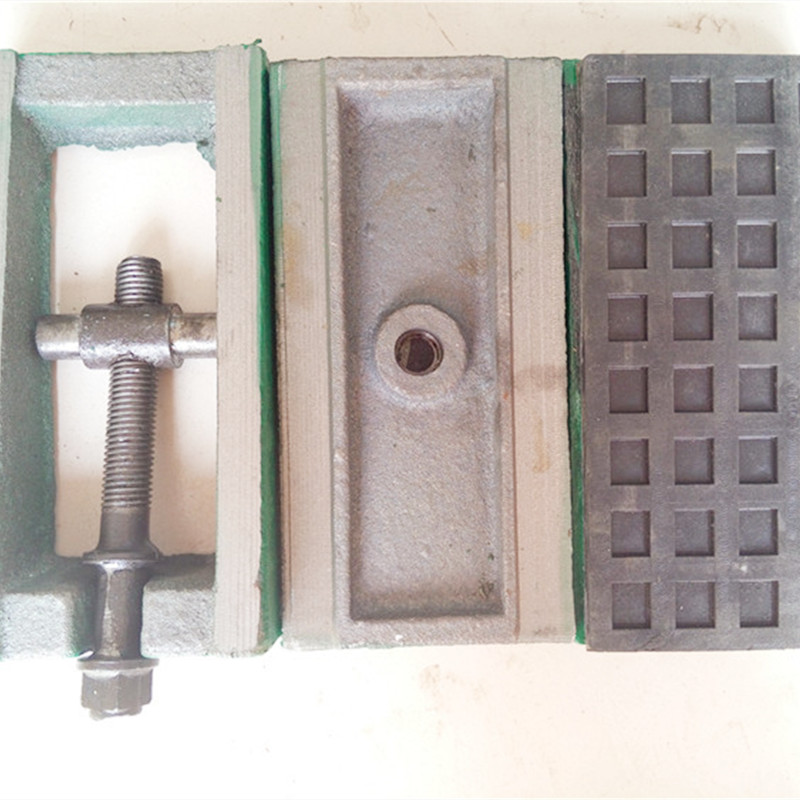
Versatile Welding Workbench for Efficient Metal Fabrication and Assembly Tasks
The Essential Guide to Welding Tables Your Ultimate Workbench Companion When it comes to metal fabri
 English